Highly-Rated Plumber Services: Your Essential Guide to Expert Plumbing Solutions
Maneuvering plumbing issues can be overwhelming for homeowners. Professional plumber services supply essential guidance to secure reliable solutions. Understanding the key attributes of a dependable plumber is critical. This knowledge can stop costly repairs and boost the longevity of plumbing systems. However, the challenge lies in choosing the right service for individual needs. What factors should one consider to make an informed selection? The answer may astonish you.
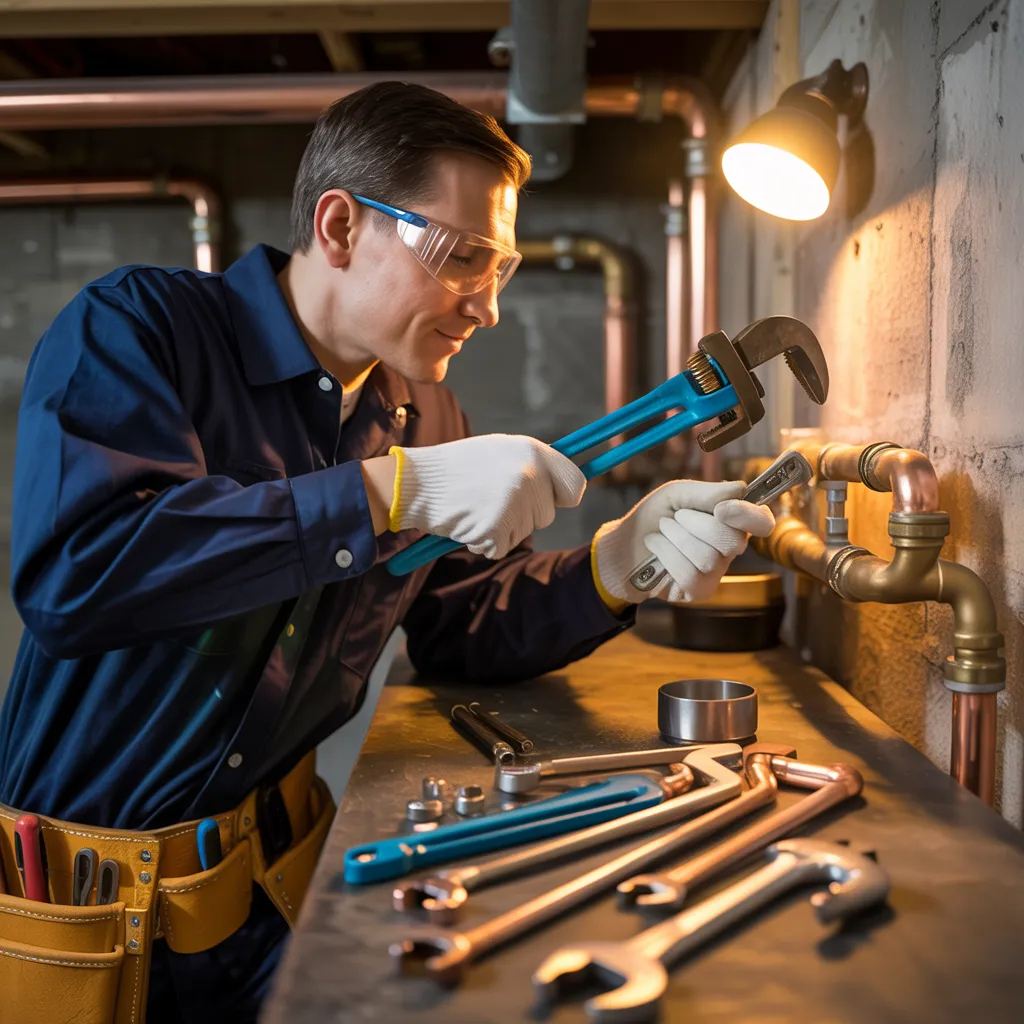
Why Trustworthy Plumbing Services Are Essential for Your Home
When property owners focus on reliable plumbing services, they shield their property against substantial repairs and inconveniences. Adequate plumbing is fundamental for maintaining a functional household, as it directly influences water supply, drainage, and overall hygiene. A reliable plumber can pinpoint issues early, averting minor leaks from escalating into major water damage or mold growth. Additionally, they confirm installations, such as water heaters and pipes, meet local regulations and standards, which is vital for home safety. Homeowners benefit from routine maintenance checks that lengthen the lifespan of plumbing systems and enhance efficiency, ultimately lowering utility bills. Additionally, a trustworthy plumbing service delivers peace of mind, knowing that any emergency can be managed promptly. This reliability fosters a sense of security, allowing homeowners to focus on other important aspects of their lives without the looming worry of plumbing problems. Essentially, investing in dependable plumbing services is a proactive approach to homeownership.
Important Qualities to Consider in a Trustworthy Plumber
Identifying a reliable plumber requires thorough consideration of various key qualities that guarantee efficient service and peace of mind. Most importantly, a quality plumber should hold a valid license and insurance, verifying they comply with local regulations and are covered for any mishaps. Experience is another essential factor; experienced plumbers are more adept at identifying problems and implementing long-term solutions.
In addition, excellent communication skills are vital, as they allow the plumber to communicate issues clearly and deliver transparent estimates. Trustworthiness and punctuality also are significant; a consistent plumber honors the homeowner's time and commitments.
Finally, favorable client feedback and reviews can serve as signs of a plumber's work quality and reputation. By evaluating these factors, homeowners can make informed decisions and pick a plumber who will properly handle their plumbing concerns.
Discovering the Best Plumber for Your Plumbing Needs
How can homeowners make certain they pick the right plumber for their individual needs? Initially, they should assess the range of their plumbing needs, whether it's a basic repair or a significant installation. Looking into local plumbers is essential; online reviews and testimonials can provide insights into a plumber's trustworthiness and quality of service. Homeowners should also check credentials, guaranteeing the plumber is licensed, insured, and proficient in applicable areas. It's prudent to request quotes from several plumbers to assess pricing and services offered. Furthermore, communication plays a vital role; a plumber who listens to concerns and explains solutions clearly can foster trust. Finally, seeking advice from friends or family can result in finding a reliable professional. By taking these steps, homeowners can feel more assured in their choice, confirming they receive dependable plumbing services adapted to their particular needs.
Typical Plumbing Troubles and How to Repair Them
What are a few of the most frequent plumbing problems that homeowners encounter? Leaky faucets, clogged drains, and running toilets are among the most frequent problems. Replacing damaged washers or O-rings often resolves leaky faucet issues. While a plunger or baking soda and vinegar mix can address clogged drains, tougher obstructions might call for a plumber's snake. A malfunctioning flapper valve is commonly the cause of running toilets; changing this piece normally returns the toilet to proper operation.
Another common issue is low water pressure, which can frequently stem from sediment buildup in faucet aerators and pipes. Homeowners can replace or clean these fixtures to boost pressure. Finally, burst pipes during cold weather months can cause substantial damage; insulating pipes can help avoid this issue. Understanding these issues allows homeowners to take proactive measures, ensuring their plumbing systems work properly.
Local Plumbing Services vs. National Chains: How to Decide
When deciding between local and national plumbing services, several factors come into play. Service access, pricing structures, and response time efficiency can substantially affect the decision. Understanding these elements helps homeowners pick the option that best suits their needs.
Service Availability Factors
Although both local and national plumbing services offer distinct advantages, picking the right option relies on various factors, including the specific needs of the customer and the nature of the plumbing issue at hand. Local plumbing services frequently provide personalized attention and quicker response times, making them appropriate for urgent repairs or smaller projects. Their knowledge of the community can also produce refer to resource tailored solutions that address distinctive local plumbing challenges. In contrast, national plumbing services typically boast extensive resources and standardized procedures, which may be beneficial for larger or more complex tasks. Customers should consider service availability in their area, as local businesses may be more accessible, while national chains often have a more extensive reach, potentially delivering more specialized services.
Pricing Framework Assessment
Understanding the pricing structures of community-based and national plumbing services is crucial for homeowners searching for the best value for their needs. Local plumbing services frequently provide attractive rates, reflecting lower overhead costs and a focus on community engagement. These providers may offer customized services, potentially leading to more flexible pricing options. On the other hand, national companies typically have standardized pricing and may charge higher rates due to their widespread branding and operational costs. However, they often provide warranties and guarantees that can offer peace of mind. Homeowners should examine their specific plumbing needs, evaluate the potential for emergency services, and consider the balance between cost and reliability when deciding between regional and nationwide plumbing services.
Efficiency in Response Time
Response time efficiency stands as a critical element for homeowners evaluating plumbing services, most notably in emergency situations. Local plumbing services commonly feature faster response times as a result of their close location to clients, enabling them to reach homes promptly for urgent situations. In contrast, national plumbing companies may have a more extensive reach but often face delays owing to centralized scheduling and larger service areas. Homeowners should consider the nature of their plumbing issues when determining between local and national services. For immediate, localized emergencies, local plumbers often provide superior response times. Alternatively, national companies can present extensive solutions for less urgent matters. In the end, assessing response time efficiency can substantially influence the effectiveness of the plumbing service chosen.
How Client Testimonials Influence Your Plumber Selection
Consumer testimonials play a vital role in assessing the dependability and trustworthiness of plumbing services. They provide perspective on the quality of service that potential clients can expect. By analyzing feedback from previous customers, individuals can make educated choices when hiring a plumber.
Reliability And Credibility
When selecting a plumber, the trustworthiness and reliability of a service provider often depend on customer reviews. These reviews serve as a reflection of prior customer encounters, providing insights into the plumber's punctuality, professionalism, and dedication to scheduled appointments. Positive feedback can strengthen a plumber's reputation, while negative reviews may highlight issues about likely difficulties. Prospective customers should concentrate on patterns in feedback, such as frequent references of reliability or timeliness. In addition, the volume of reviews can reveal overall satisfaction; a increased amount of reviews generally implies a more reliable service history. In the end, customer testimonials work as a valuable resource, helping individuals toward plumbers who have established a credible and dependable presence in the community.
Service Quality
The quality of service a plumber provides is often illuminated through customer reviews, which highlight specific aspects of their workmanship and expertise. These reviews serve as a valuable resource for potential clients, offering insights into the plumber's reliability, responsiveness, and overall professionalism. Favorable comments can demonstrate a plumber's dedication to client contentment, whereas unfavorable assessments might expose problems with punctuality or quality of work. Furthermore, testimonials frequently address the transparency of interaction and the completeness of work, enabling clients to assess what they can anticipate. By carefully examining these testimonials, individuals can make informed decisions, ensuring they choose a plumber whose quality of service aligns with their needs and expectations, ultimately leading to a successful resolution of their plumbing issues.
Guidelines for Preserving Your Plumbing System During Intervals Between Services
While plumbing professionals play an important role in keeping up a home's system, homeowners can also take active steps to ensure their plumbing remains in good condition between services. Routinely checking for leaks is crucial; even slight drips can lead to substantial water loss and damage. Homeowners should inspect pipes, faucets, and toilets for any indications of moisture or corrosion.
Furthermore, upholding proper water pressure is essential. Setting up a pressure gauge can help monitor levels, stopping undue stress on pipes. Homeowners should also be conscious of what goes down their drains; avoiding grease, hair, and foreign objects can avert clogs.
Lastly, routinely flushing the water heater and ensuring all fixtures are clean can improve overall efficiency. By implementing these straightforward maintenance practices, homeowners can prolong the life of their plumbing systems and minimize the need for emergency repairs, eventually saving both time and money.
FAQ
How Much Should You Expect to Pay for Plumbing Services?
Plumbing services usually range from $45 to $200 per hour, contingent upon the nature of the task and location. Additional charges for materials and emergency calls may also apply, impacting the total expense significantly.
What Credentials Should a Plumber Possess?
An experienced plumber ought to hold current licensing, relevant certifications, and practical experience. In addition, expertise in local building codes, competence in plumbing systems, and robust problem-solving skills are necessary for effective service delivery in the profession.
How Do I Avoid Plumbing Emergencies?
In order to prevent plumbing emergencies, routine maintenance checks, prompt leak repairs, proper disposal of waste, insulation of pipes to prevent freezing, and awareness of water pressure can greatly reduce risks and provide a consistent plumbing system.
Are Warranties Offered by Plumbers on Their Work?
A majority of plumbers include warranties with their services, usually including workmanship and parts for a designated timeframe. This assurance provides clients reassurance, guaranteeing that any problems can be handled without added fees.
What Should I Do in a Plumbing Emergency?
When facing a plumbing emergency, immediately shut off the water supply, evaluate the circumstances, and reach out to a certified plumber for prompt help. Rapid intervention can limit harm and stop subsequent issues.